infrared camera, real time 3D software, projector
Variable Dimension
2008-08-24
Old Apartments Are Like Storybooks
Modern cities filled with high-rise buildings often alienate people; everyone behind the cold glass screens or large advertising boards becomes indifferent. A person's sense of being is trivialized in the giant volumes of buildings that are embodiment of the huge capital power and its everlasting existence, and everyone feels powerless because their living depends on the relentless cities. In order to make a living, a city dweller endures the hardship in the urban maze, under the shadows of economic follies.
A city's appearance, as cold as it is, is constructed by the collective will of the people. Each building is a carrier of people's memories. People move into cities and shape their cities together. They also push the cities forward. Unfortunately, the more modernized a city is, the fewer visual elements of the city represent individuals.
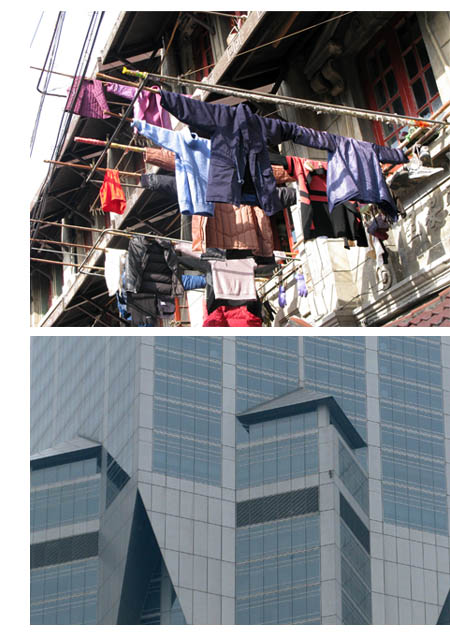
I enjoy looking at old apartments very much. From the clothes hung out for drying, the plants growing outside their windows, the paper flower patterns attached to the windows, from these clues I can guess what kind of people live inside the apartments: Are they men or women? What are their hobbies and habits? Like reading a book, just a glance and I am absorbed by their life; my spirit follows their daily activities. However, many elements full of the flavors of common people have been erased because they are "un-presentable." A presentable modern apartment means all these humanly things are hidden, replaced by the uniform facade of the building. I no longer feel the dispositions of people living in them; their places must be disinfected and quarantined. The developers of such apartments have given them a uniform mask to cover up their real characters.
Buildings With Human Characters
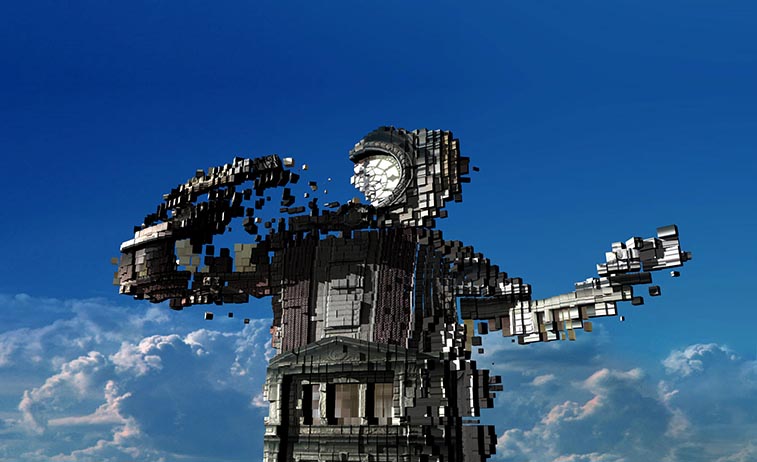
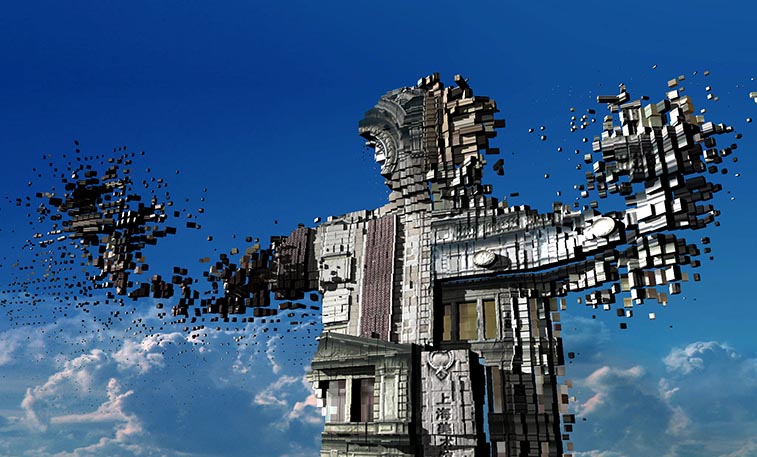
Here I have a crazy dream: Is it possible to make a city dance with a human figure in the music of rhapsodies? Is it possible that the establishment or collapse of a city is to be decided by the shaking and twisting of the waist of a dancing citizen? The interactive device has included all the landmarks, from the past to the present, around the People's Square in Shanghai, to be shaking along with the audience's moving. Heavy concrete bricks and steel boards dance and flutter, and when they are dismantled or reconstructed according to the moving figures in front of them, a new connection between people and cities is restored.
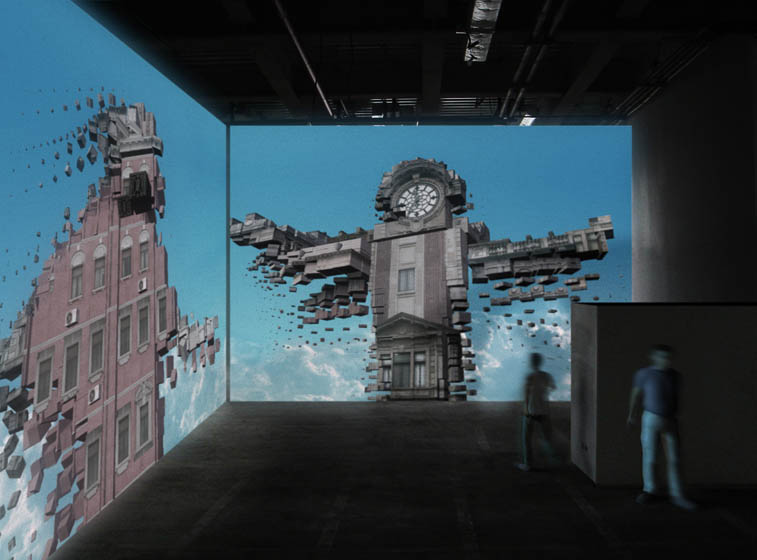



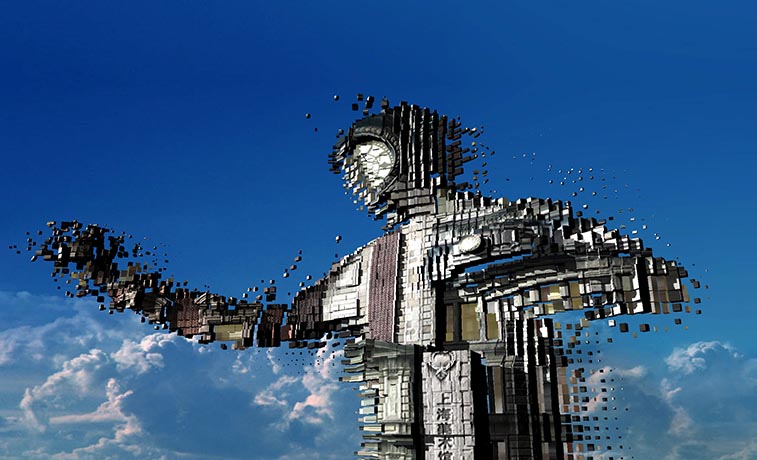
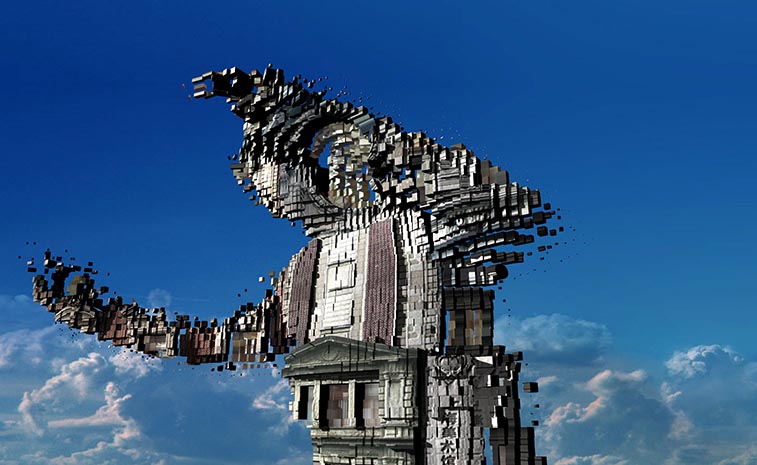


Dancing visitors in the venue of the 2008 Shanghai Biennale
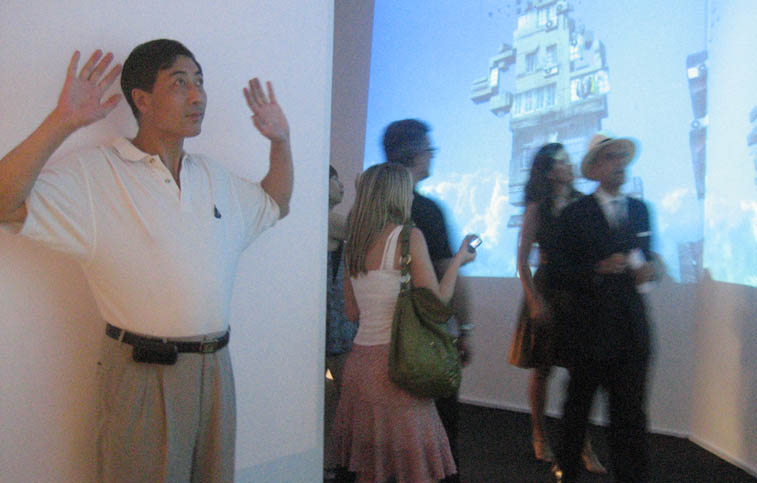
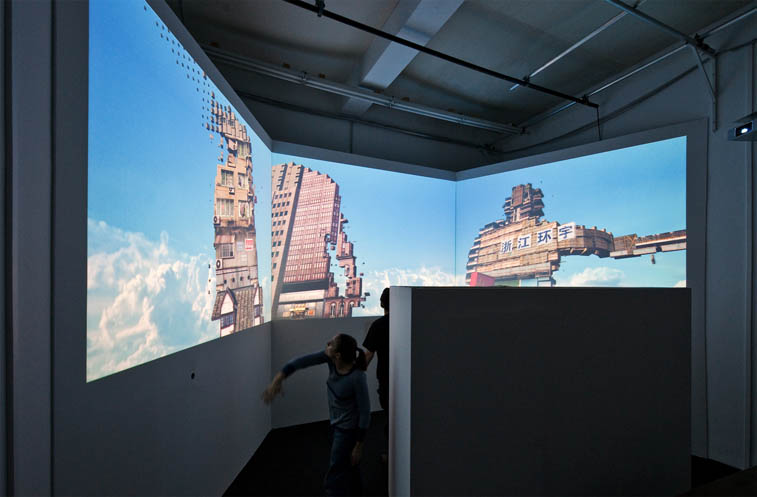
Exhibition in the OK Center, Linz, Austria
©︁黃心健