
Stereoscopic Display, Camera, Computer
Variable Dimension
2019-12-01
Alienated Vision is a series of studies that explore the possibilities of seeing through the stereoscopic display.
At first glance, the principle of the modern stereoscopic system is not very different from the old one invented by Sir Charles Wheatstone in 1838. The illusion of depth is produced by having the left and right eyes to see the same scene with slightly different viewing angles. Our brains interpret the binocular visions and add depth sensation to our visions. So, the fundamental nature of the stereoscopic image is that the left and right eyes see different images, and if we consider that the left and right images are two disconnected videos, then intriguing explorations are brought forward:
• What if our left and right eye see the same object, but at different times?
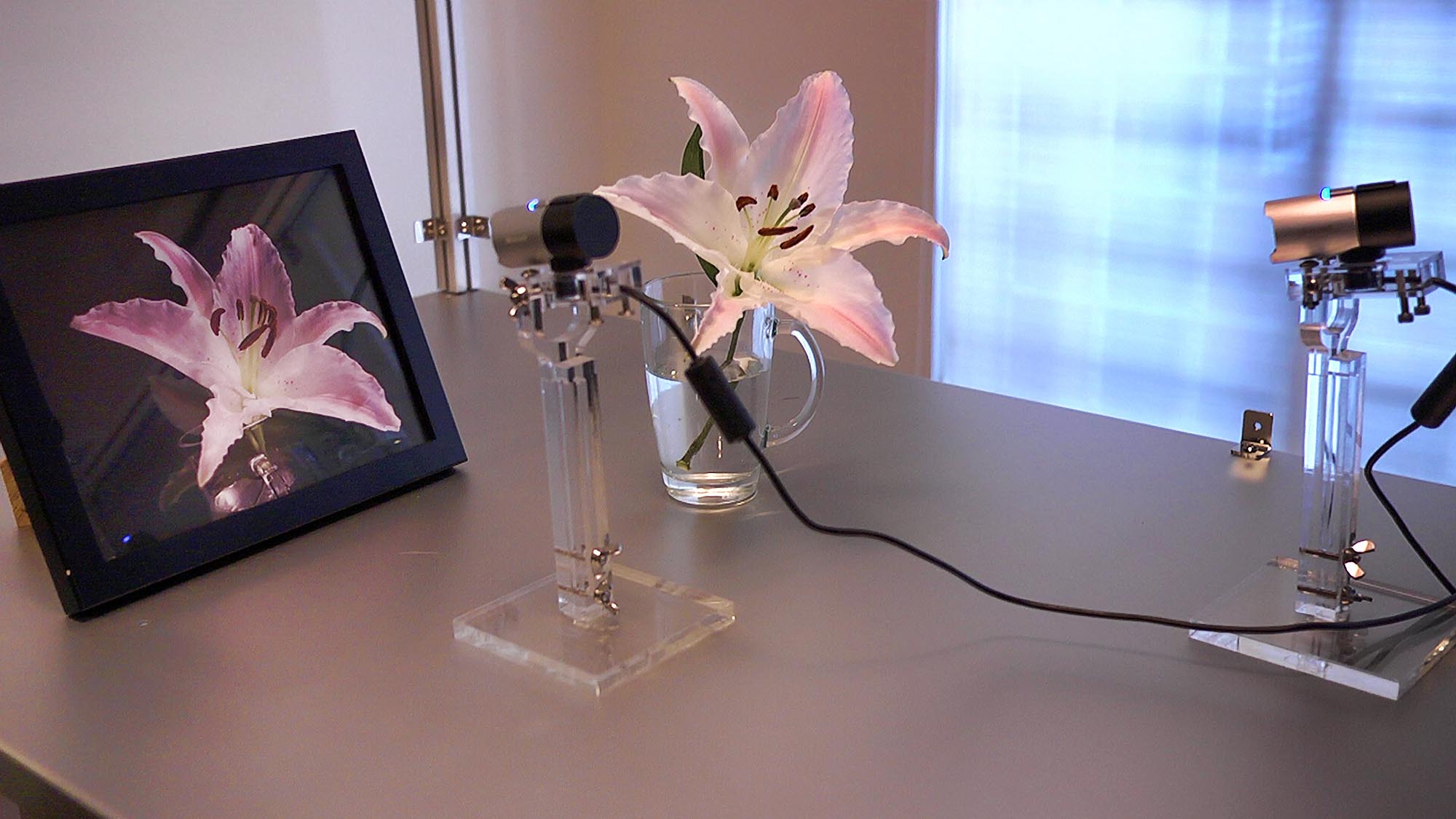
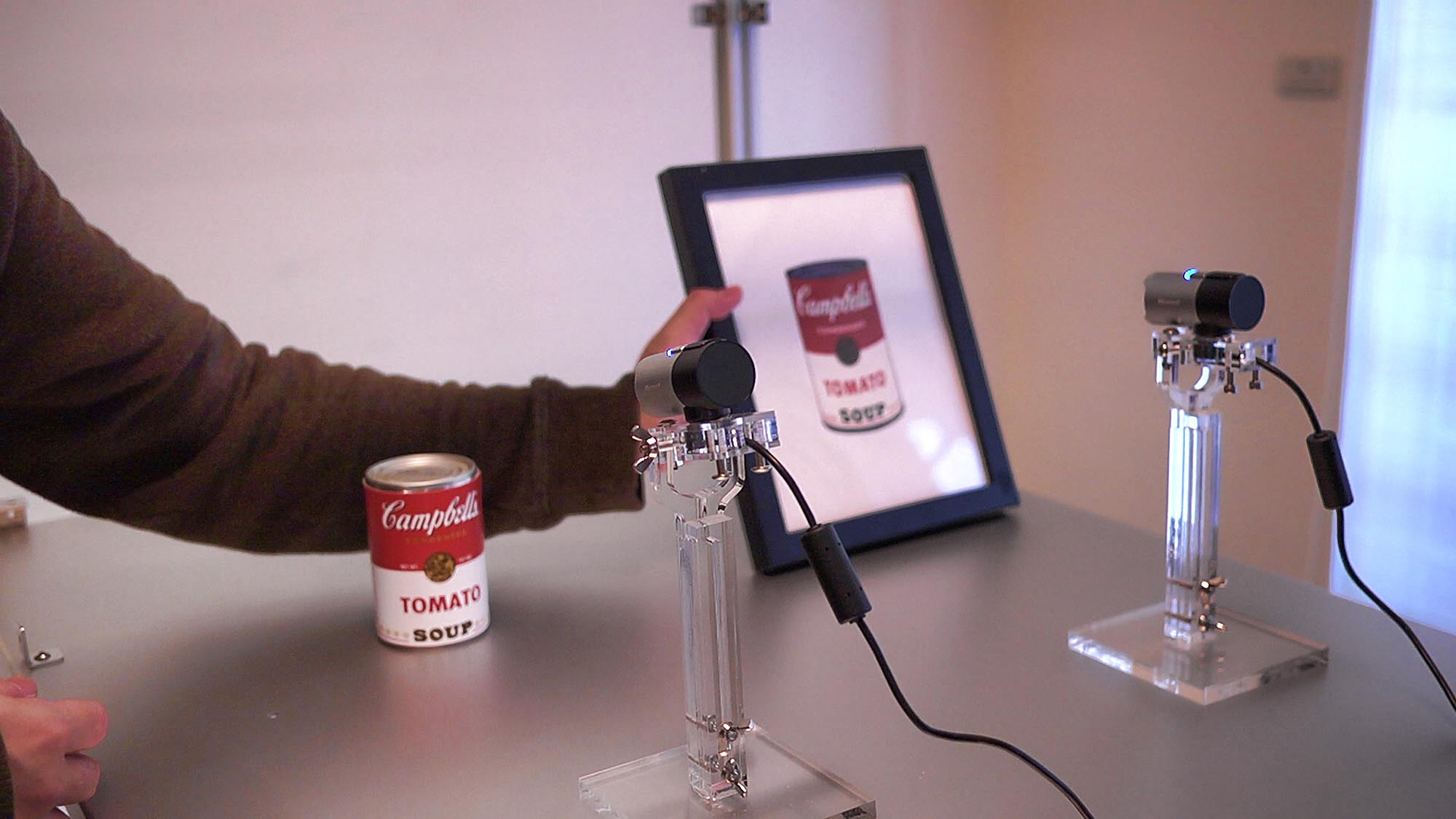
• What if our left and right eyes see a real object and its pictorial representation?
By feeding different natures of images to the left and right eyes, our biological continuities are broken, but our brain still trying to stitch these images into a coherent perception and translate the depth information from them, and the new interpretation of space and time perceptions are generated.



©︁黃心健